

Choosing a wedding officiant is a significant decision in the wedding planning process. The officiant plays a central role in your ceremony, setting the tone for the entire event and guiding you through the commitment you are making to each other. Here are some factors to consider when selecting a wedding officiant:
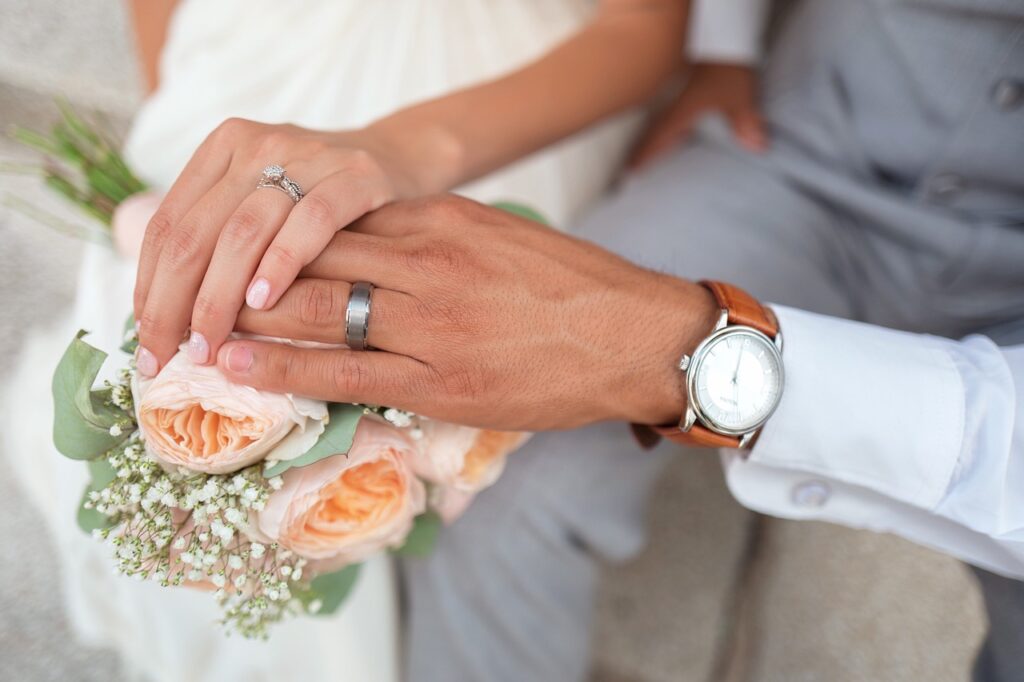
Top Ten Tips to Help Choose Your Officiant
- Legal Requirements: Ensure that the officiant you choose is legally authorized to perform weddings in your location. Different regions have specific requirements, so make sure your officiant is aware of and able to fulfill these legal obligations.
- Type of Ceremony: Consider the type of ceremony you envision. Whether it’s religious, secular, traditional, or personalized, choose an officiant who can tailor the ceremony to your preferences and beliefs. Discuss your vision for the ceremony and ensure that the officiant is comfortable accommodating your wishes.
- Connection and Comfort: Building a rapport with your officiant is crucial. You want someone who makes you feel at ease and understands your relationship. Schedule meetings or interviews with potential officiants to gauge how well you connect and communicate. This personal connection can enhance the overall experience on your wedding day.
- Ceremony Style and Tone: Discuss the style and tone of the ceremony with potential officiants. Some officiants may have a more formal approach, while others may bring a lighthearted or casual feel to the ceremony. Choose someone whose style aligns with the atmosphere you want for your wedding.
- Experience and Professionalism: An experienced officiant can bring a level of professionalism to your ceremony. Inquire about the officiant’s experience, ask for references, and read reviews if available. A seasoned officiant is more likely to handle unexpected situations with grace and ensure a smooth ceremony.
- Flexibility: Your wedding day may not go exactly as planned, and having an officiant who can adapt to changes is invaluable. Discuss the officiant’s flexibility and willingness to accommodate any specific requests or changes that may arise leading up to or on the wedding day.
- Availability: Confirm the officiant’s availability on your wedding date. Some popular officiants may have busy schedules, so it’s essential to secure their commitment early in the planning process.
- Pre-Marital Counseling: Some officiants offer pre-marital counseling services as part of their package. If this is something you are interested in, inquire about their approach to counseling and whether it aligns with your needs and preferences.
- Fees and Contract: Clearly understand the officiant’s fees, what is included in their services, and any additional costs. Ask for a written contract outlining the terms and conditions of your agreement to avoid any misunderstandings later on.
- Recommendations: Seek recommendations from friends, family, or your wedding planner. Personal referrals can provide insights into an officiant’s personality, professionalism, and overall performance.
Remember that your wedding officiant plays a crucial role in the celebration of your commitment, so take the time to find someone who resonates with you and your partner, aligns with your values, and can create a meaningful and memorable ceremony.